
Barbican Wisdom, Robotic Future
When the brick patterns of the ancient city wall meet the sound of turning robot gears, when the wisdom of ancient military strategy collides with sparks of modern technology – on November 22, students from Grade 10 and Grade 11 of High School Affiliated to Nanjing University embarked on an autumn study tour titled Crossing Time Wisdom and Fun at Zhonghua Gate Barbican and Jiyu Edu Future Robot Base..
First Stop: Zhonghua Gate Barbican – Touching 600 Years of Military Wisdom
At 9:15 in the morning, the bus full of anticipation came to a steady stop at the foot of the Zhonghua Gate Barbican. Known as the “Number One Barbican in the World,” this Ming Dynasty structure, with its grand layout of triple barbicans and 27 hidden soldier chambers, instantly transported the students from the classroom to a living historical scene.
At 9:30, the study tour officially began. Guided by the docent, the students traced the inscriptions on the city bricks, touching the “quality code” left by Ming Dynasty craftsmen – every brick was engraved with the name of the kiln’s prefecture and the craftsman, an ancient version of a quality traceability system. After exploring the bricks, the students transformed into “Barbican Codebreakers,” teaming up to solve the military puzzle of “catching turtles in an urn”: How did the hidden chambers enable ambush attacks? How did the massive gates create a closed loop of offense and defense known as “shut the door and beat the dog”? Standing in the center of the barbican, simulating the tactical positions of ancient soldiers, the battlefield wisdom from 600 years ago finally shifted from textbook words to a tangible spatial logic.
At 11:00, the theme sharing on “Mega Projects” left everyone truly amazed: this fortress, built with 350 million bricks, has withstood the ravages of war and time yet remains as solid as ever. Sunlight filtered through sparse branches, casting dappled shadows on the bluestone slabs of the ancient Zhonghua Gate wall. Students from High School Affiliated to Nanjing University strolled in small groups, their steps light and leisurely. Their fingertips gently traced the varied textures on the brick surfaces – marks left by more than six centuries of wind and rain. The blue bricks fired in official kilns during the early Ming period are still firm, and the arrow slits between the battlements seem to echo with the lingering resonance of history, allowing the students to truly feel the profound heritage of the ancient capital Jinling through touch.
Strolling Along the Ancient Wall
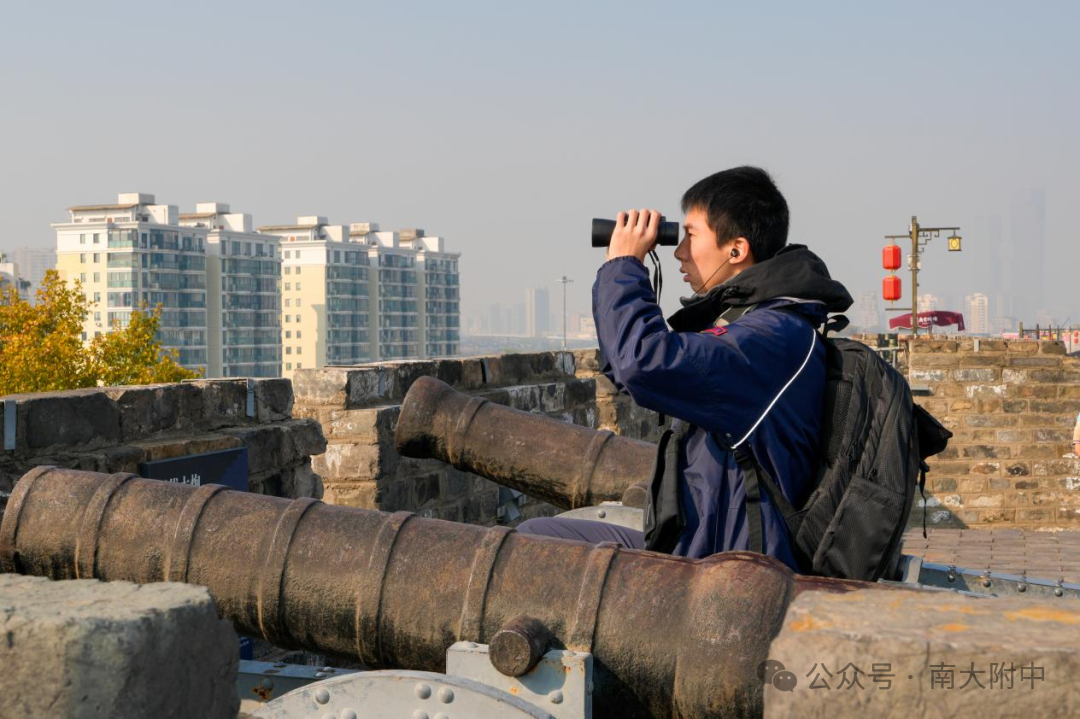
Looking up, under the azure sky, the ancient wall stretches like a winding dragon, linking to the distant skyline. At times, the students paused to gaze afar, where the shimmering waves of Xuanwu Lake and the towering skyscrapers of the modern city complemented each other in view; at other times, they bent down to admire the scene below, where lush trees, blooming flowers, and white walls with black tiles along the Qinhuai River formed a lively Jiangnan painting. A gentle breeze brushed their faces, carrying the freshness of greenery and the warmth of sunlight. They whispered about the scenery before them or quietly immersed themselves in the atmosphere where nature and history intertwined. Their eyes were filled with admiration for the city and reverence for cultural heritage. Every step landed at the intersection of past and present, turning this stroll into a study tour that nourished both the senses and the spirit.
Second Stop: Jiyu Edu Future – Unlocking Countless Ways to Explore the World of Robots
After a midday break, the bus carried the still-excited students to the Jiyu Edu Future Robot Base. The moment they stepped into the exhibition hall, a variety of robots instantly captured their attention. Unable to resist, the students pulled out their phones to record the dynamic moments of these steel companions.
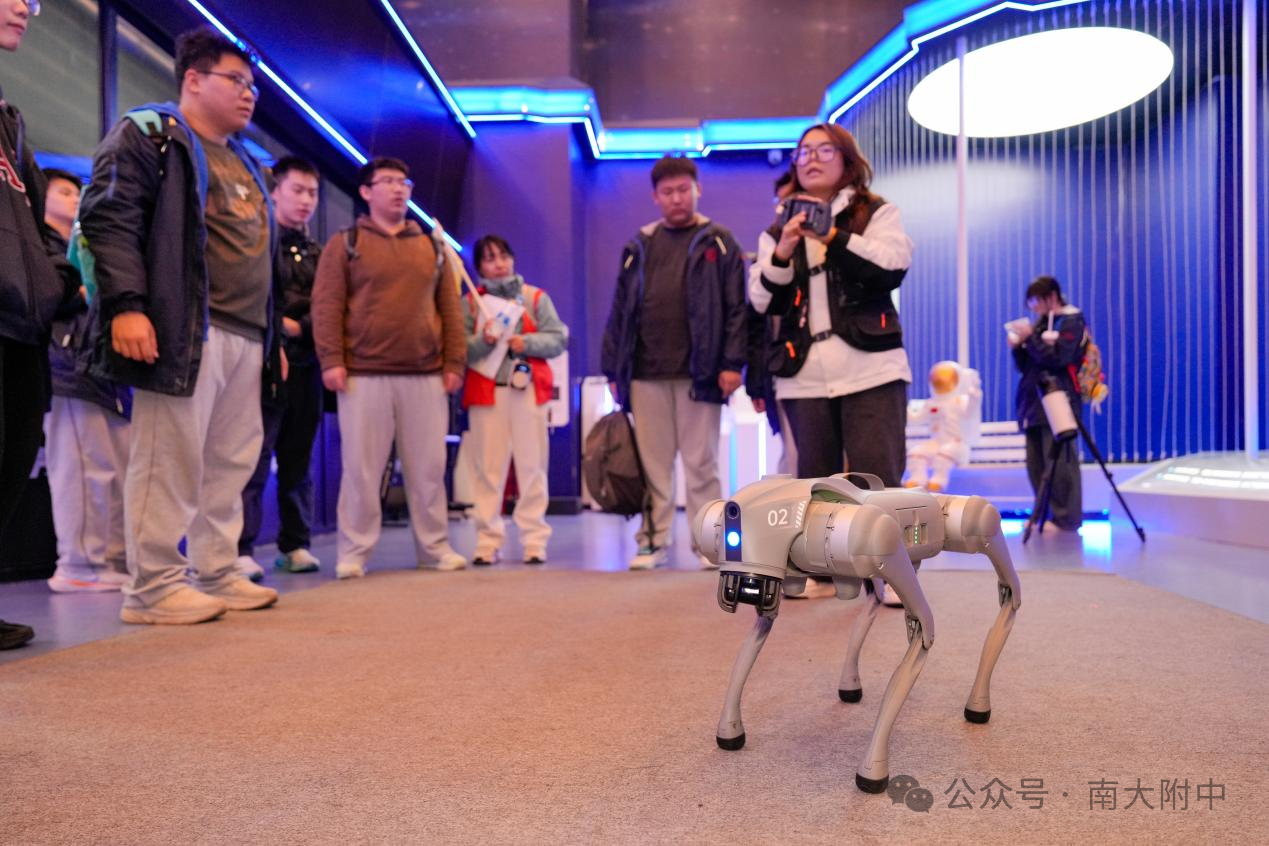
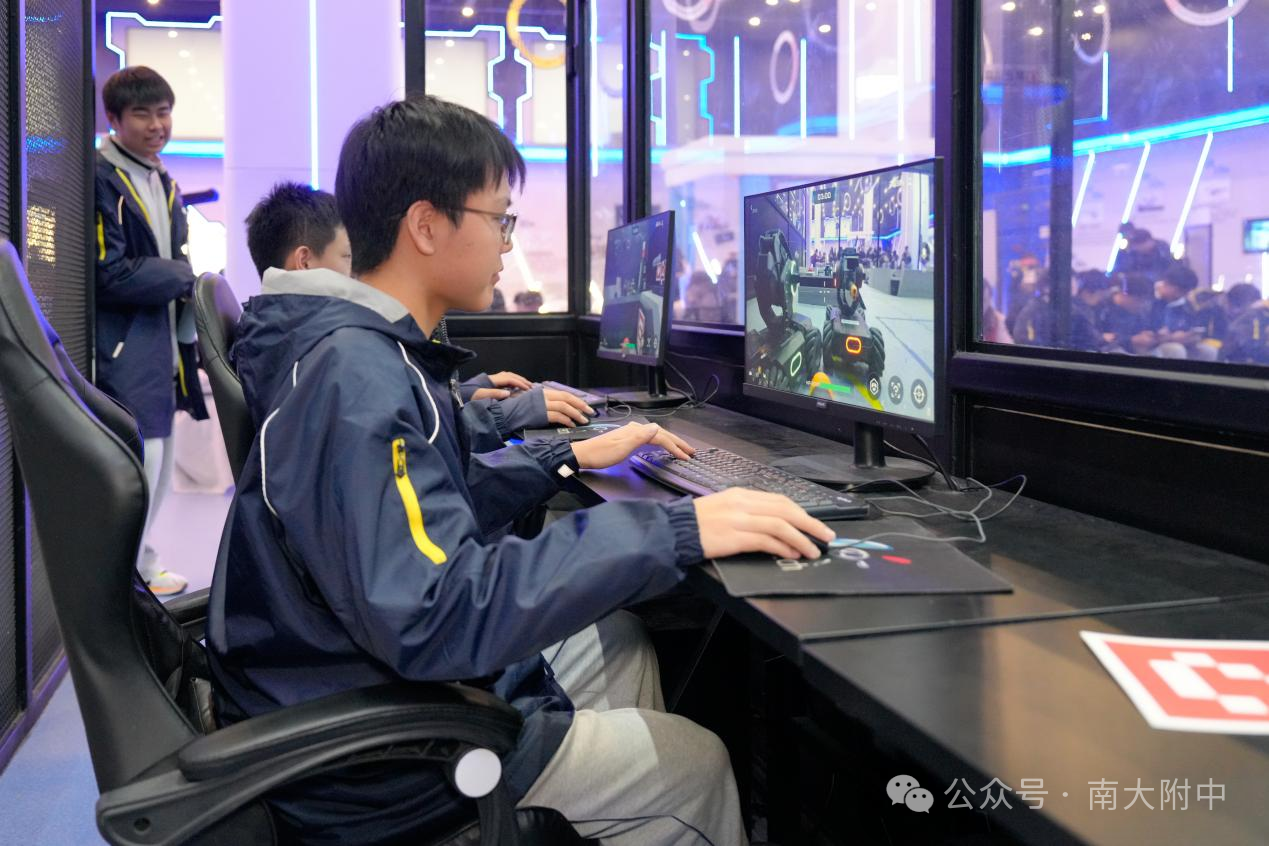
At 13:30, the interactive performance with robot dogs brought the atmosphere to its peak: the robot dogs agilely executed moves like backflips and obstacle crossing, their adorable demeanor sparking waves of laughter and applause. But the most thrilling part was the robot battle experience: students personally controlled robots within a designated arena to complete tasks of dodging obstacles and delivering precise attacks. Every turn of the joystick and every movement of the robot immersed them in the joy of programming combined with mechanics.
Robot Dog Performance
Robot Arena Battle
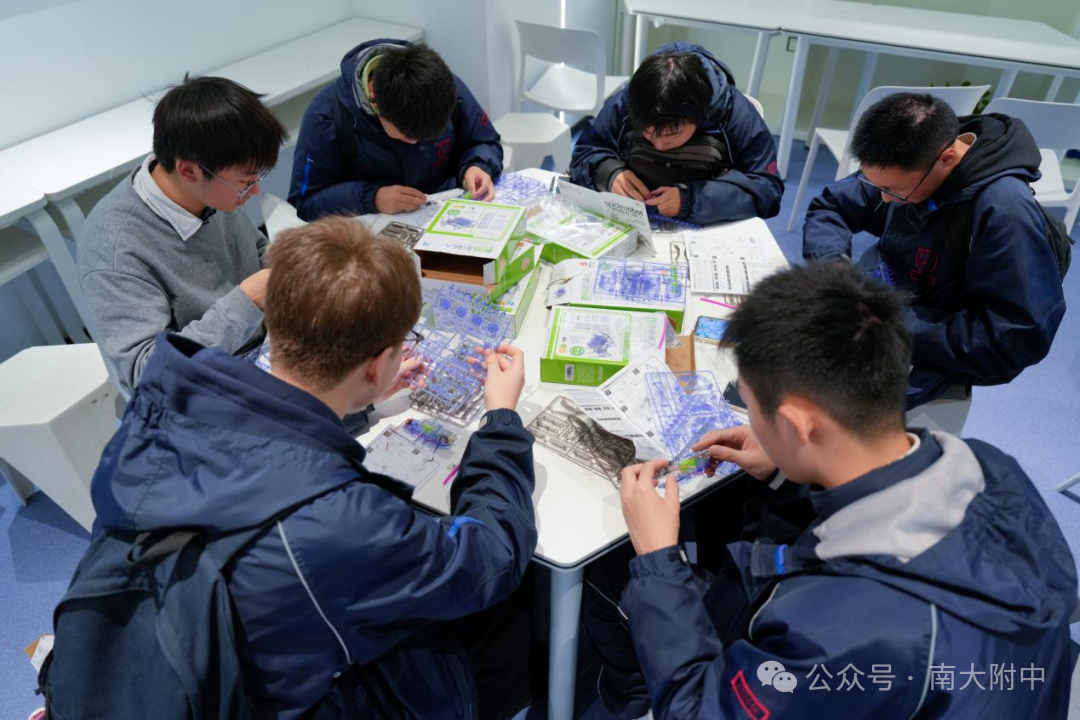
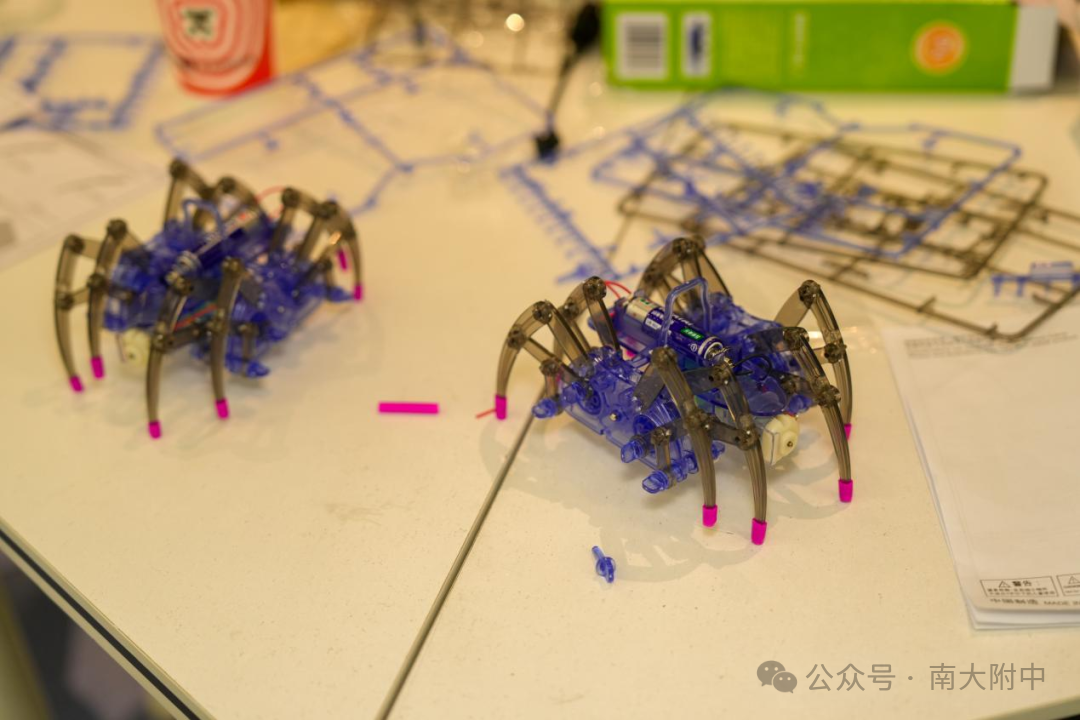
In the following robot-themed lecture, the engineer explained in simple terms how robots understand commands and how AI algorithms enable them to avoid obstacles autonomously. Finally came the DIY robot-making session, where students worked in groups of five to six to assemble miniature robotic spiders. When they saw their self-made robots crawling across the floor, a sense of accomplishment lit up every face.
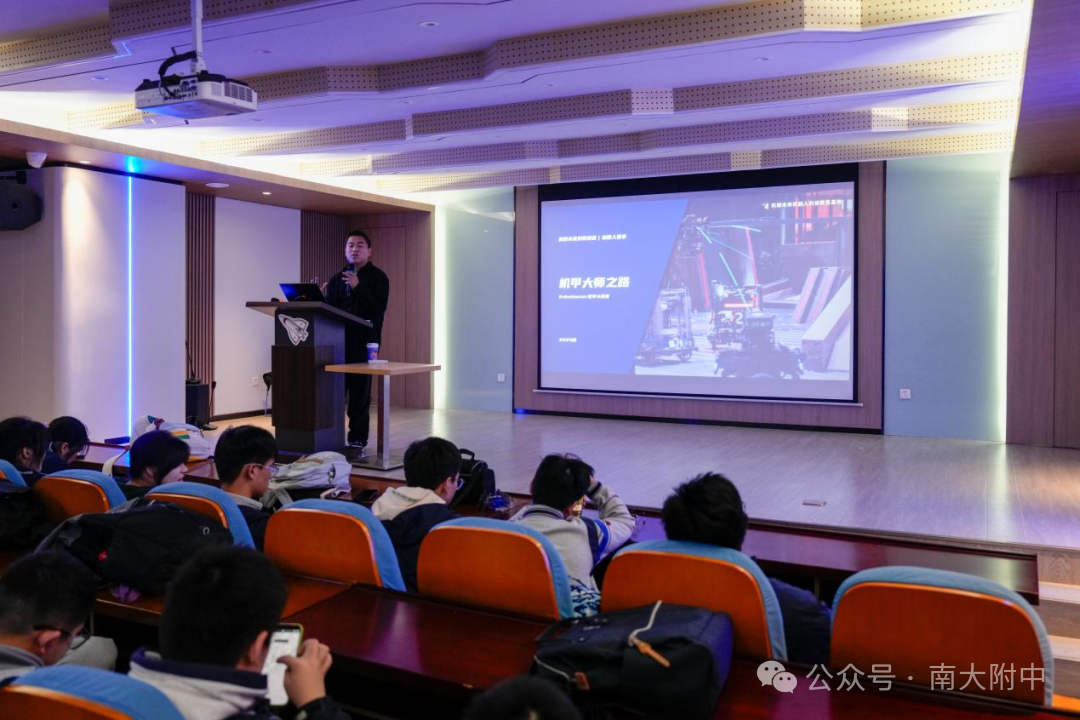
Robot Themed Lecture
Finished Robot Creations
Study Tour Reflections: Wisdom of Past and Present as Nourishment for Growth
As the sun set and the study tour bus headed back, the students’ discussions continued: some marveled at how the “quality awareness” of ancient craftsmen aligns with today’s industrial standards; others excitedly shared how their robot won the battle; and some even began imagining whether robotic technology could be used to recreate ancient mechanical devices.
From the historical depth of Zhonghua Gate Barbican to the technological warmth of the robot base, this study tour was not just an experience of stepping outside the campus, but a reflection that bridges past and present: the wisdom of the ancients teaches us rigor and heritage, while modern innovation inspires exploration and breakthroughs. This is the true meaning of a study tour – letting knowledge leap beyond the pages and allowing growth to take root in real experiences.
Study Tour Insights: Crossing Past and Present, Touching the Intelligence of China
Standing before the massive city bricks, the tour guide pointed to the faint marks on their surface and told us these were the names and places of origin of the craftsmen who made them. During the Ming Dynasty, to ensure the quality of the walls, a system of engraving the craftsman’s name was implemented, assigning responsibility for each brick to an individual. As I touched the inscriptions that have remained clear after six centuries of wind and rain, I seemed to see the craftsmen bending over their work, feeling their reverence for the project. Climbing up the city tower and gazing at the bustling scene of Nanjing, the ancient walls beneath my feet contrasted sharply with the distant skyscrapers. At that moment, I suddenly understood—the weight of this city is carried by these historical memories that span a thousand years. – Gongye Qiu
In ancient times, people built cities with bricks and stones to protect tangible lands and citizens; today, we build “intelligence” with code, expanding the boundless frontiers of knowledge and future possibilities. Without the weight and accumulation of history, our innovation would lose its foundation and become superficial; without exploration and breakthroughs for the future, our perseverance would turn into stubbornness and lose vitality. This study tour taught me that, as young people of a new era, we must be like the city bricks – firm in our roots and sense of responsibility, committed to preserving outstanding traditional culture and spirit; and also like the surging code – full of active thinking and creativity, daring to explore the unknown and pioneer innovation. Only in this way can we stand on the shoulders of history and move toward the future more effectively. – Ruolin Chen
On the lawn of the robot base, the quadruped robot dog “Jueying” was performing a backflip. The engineer said its joints can reach a peak torque of 360 newton-meters – enough to lift a small car 10 centimeters off the ground. I leaned in and noticed a faint golden coating around its knees, strikingly similar to the patina on the city bricks we saw this morning. The engineer explained that it’s a titanium alloy nitriding layer, designed to reduce wear. Suddenly, an absurd metaphor popped into my mind: if this robot dog could run back to the Ming Dynasty, would it also raise its leg under the Zhonghua Gate, leaving a mark – and somehow store the scent of zeros and ones in those six-hundred-year-old bricks? – Jiani Jiang

Grade 10, Class 1
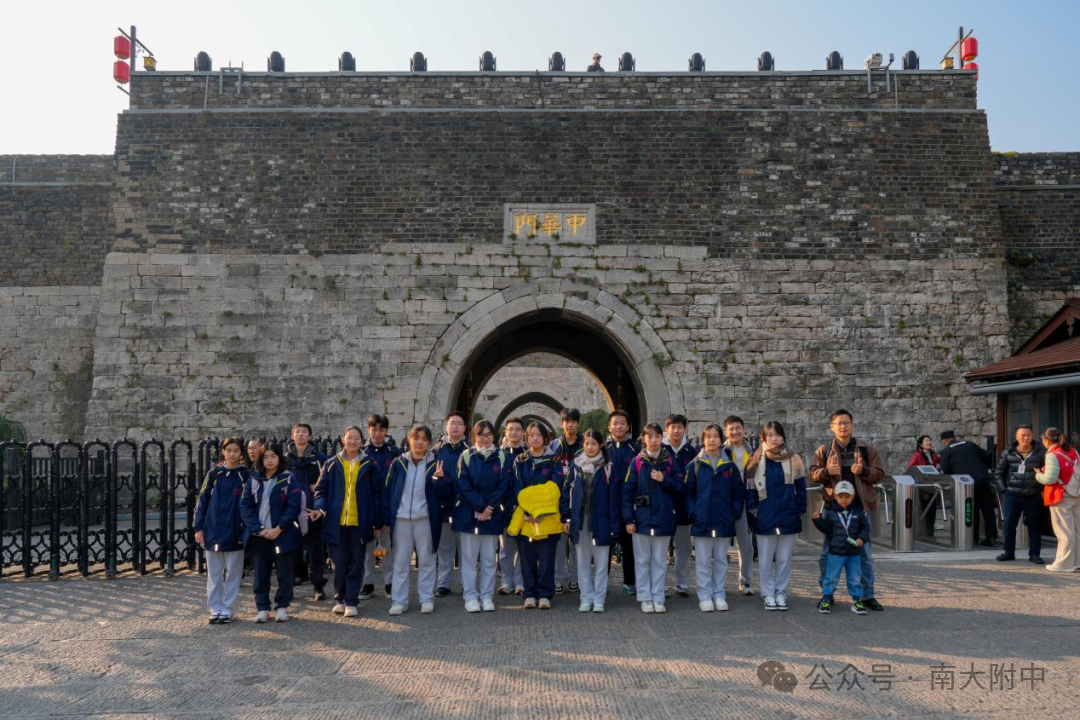
Grade 10, Class 2
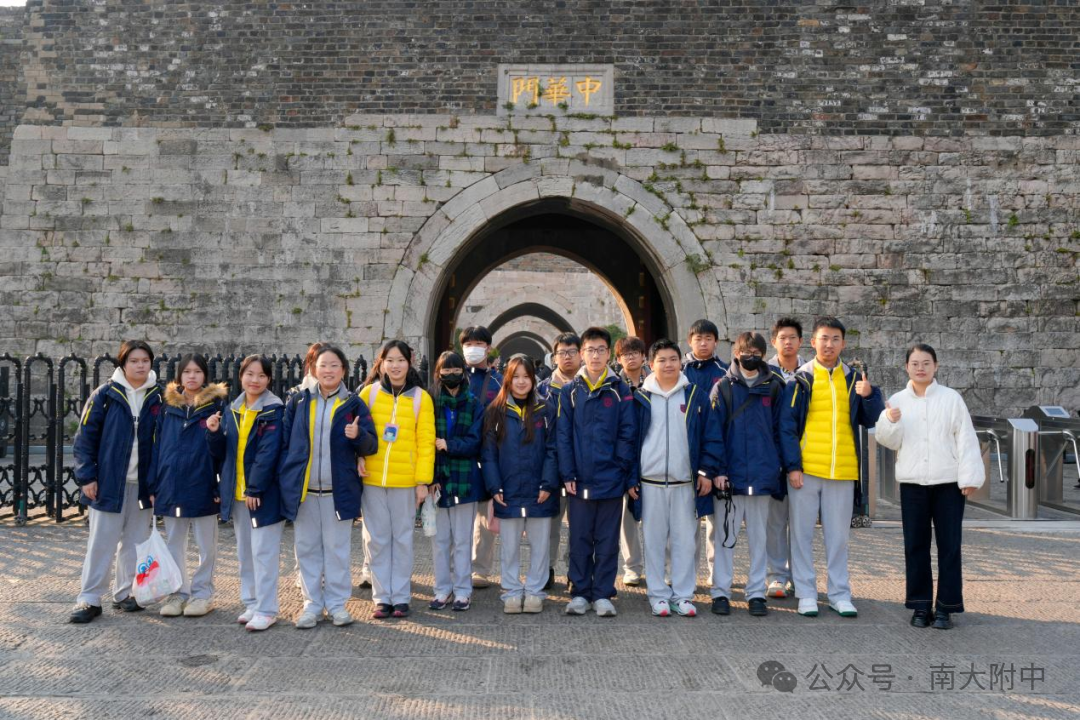
Grade 10, Class 3
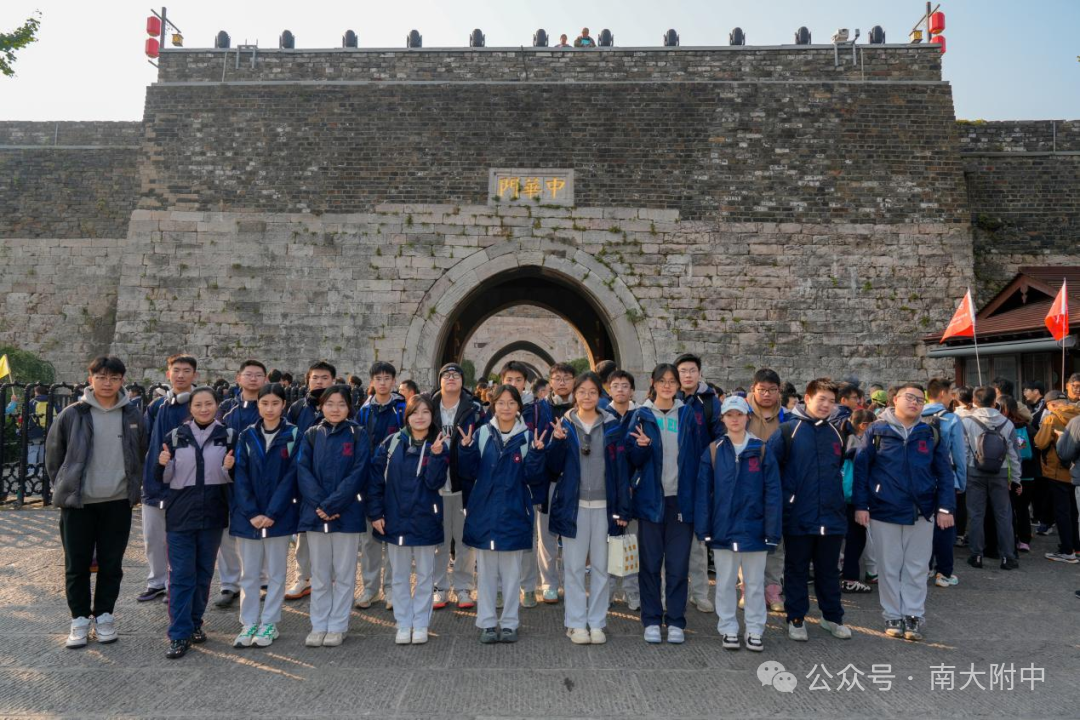
Grade 11, Class 1
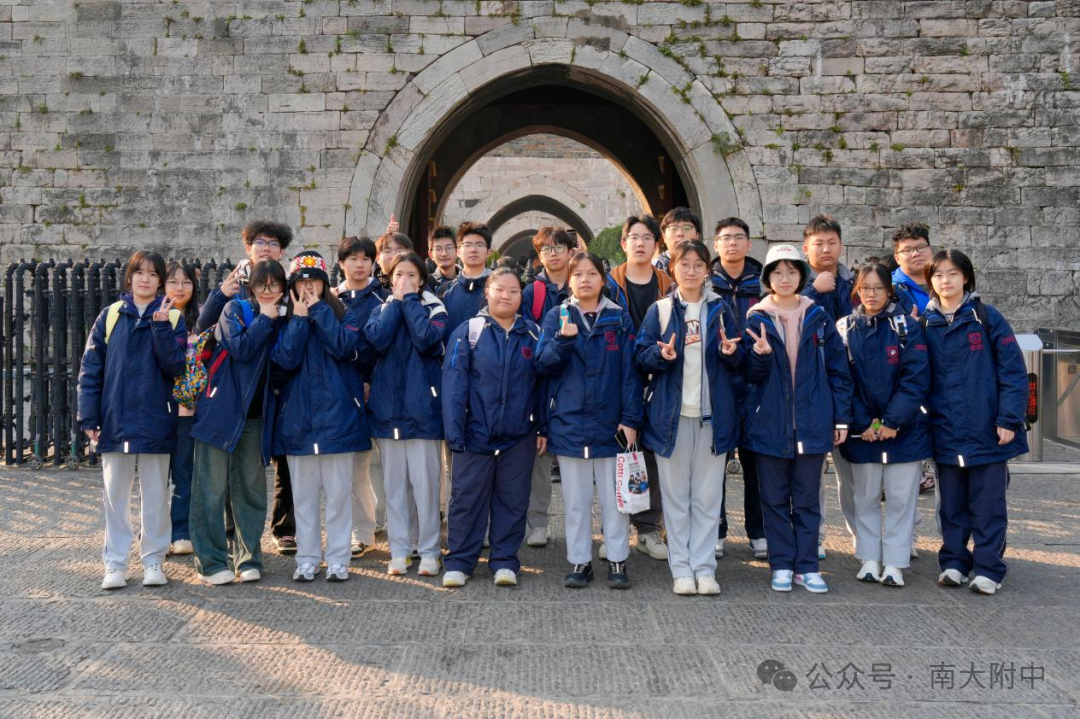
Grade 11, Class 2
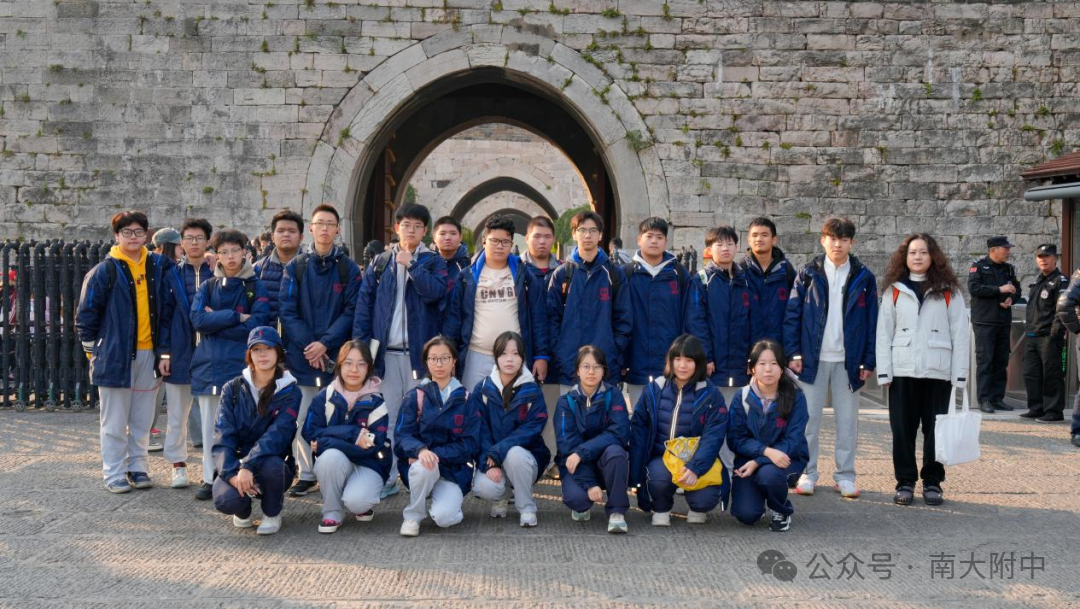
Grade 11, Class 3
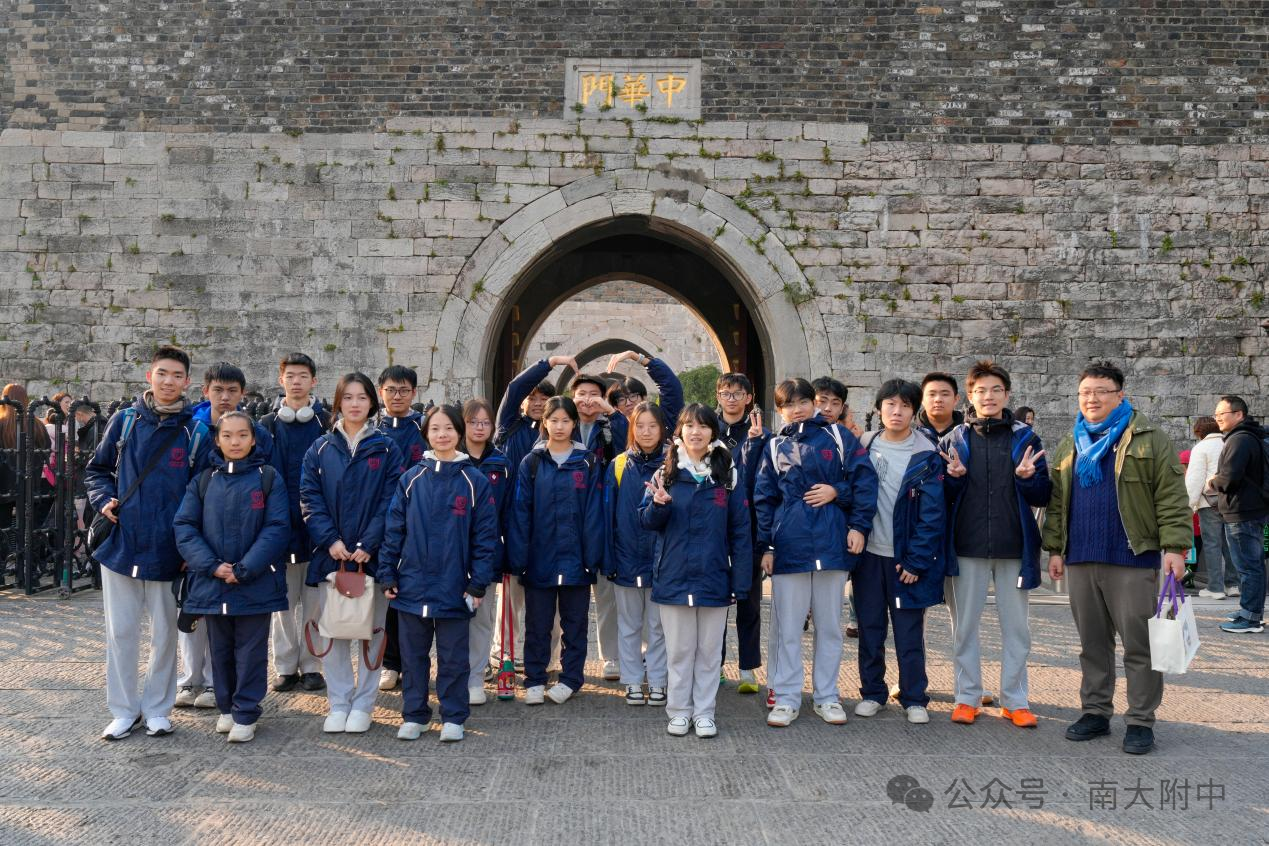
Grade 11, Class 4
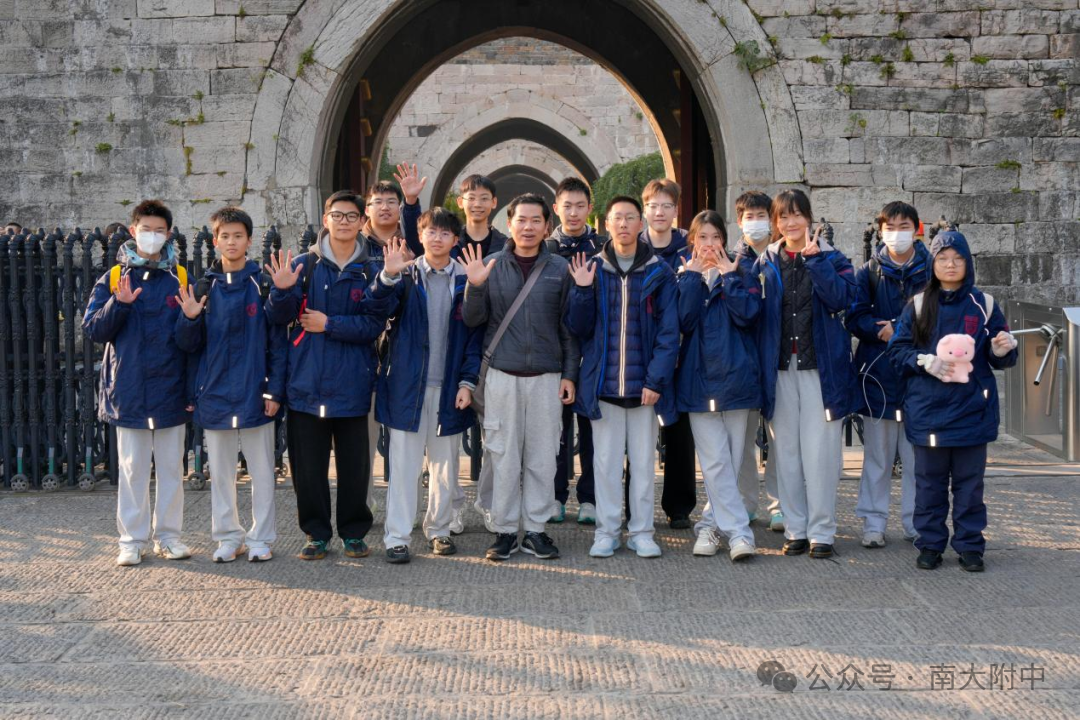
Grade 11, Class 5

Grade 11, Class 6
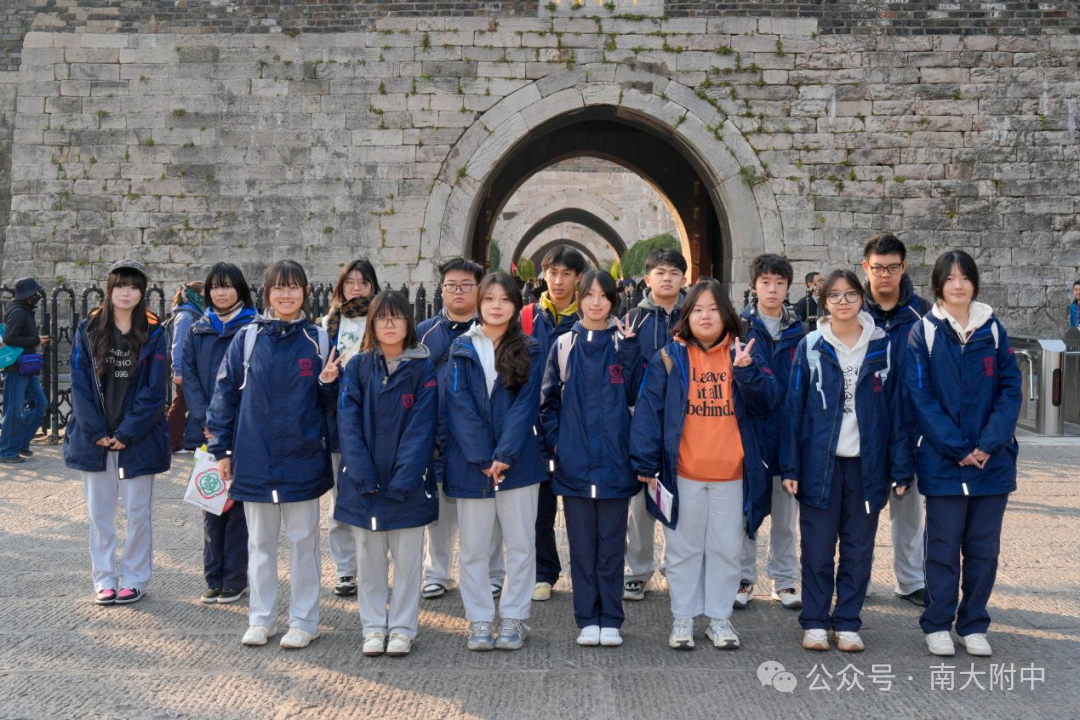
Grade 11, Class 7
